Sunday, April 8, 2012

2012 Spring Travels

Tinanong sila ng mga lalaki, "Bakit ninyo hinahanap ang buhay sa lugar ng mga patay?     Wala siya rito, siya'y muling nabuhay! Alalahanin ninyo ang sinabi niya sa inyo noong nasa Galilea pa siya,    'Ang Anak ng Tao ay kailangang ipagkanulo sa mga makasalanan at ipako sa krus, at sa ikatlong araw ay muling mabubuhay.'"
Lucas 24:5-7 (Magandang Balita)

This verse in Tagalog translates back to English like this: The men [angels] asked them, “Why do you search for the living in the location of the dead? He is not here – he has come to life again! Remember what he said to you when he was still in Galilee, 'The Son of Man needs to be betrayed to sinners and then nailed to the cross, and on the 3rd day he will come to life again.”

As we celebrate the resurrection of Christ this Easter, we are so thankful for the sacrifice God has given! I was challenged this week to imagine how exceedingly amazing God is, and how He is working all the time on behalf of His glory to bring the message of His reconciliation to all the world, every tongue, tribe, and nation!

Here in the Philippines every year there are re-enactments of the crucifixions, as people try to do penance for sins in their past lives. Yet our focus is on the resurrection – that the sacrifice is complete and our sin-debt was paid in full, which God accepted and demonstrated to us by raising Christ from the dead!

I would also like to say how thankful we are that so many of you have been willing to continue to support us as we serve the Lord here in the Philippines! God is so good, and though we have had to wrestle with many things over the past year, we are so thankful to feel the Lord's hand carrying us through it all!

Filipino Wedding
The beginning of March had Ginny and I as sponsors in a Filipino wedding! We were called “ninong” and “ninang”, which means godfather and godmother. Filipinos have godfathers and godmothers for their weddings, so this was a great chance to participate with some Filipino friends. The young man who asked me to be his ninong was one of the security guards at the condo units where we lived from August to December. On the morning of the wedding, we picked up the groom and several of the wedding party and drove out to the house where the reception was. There they filled us with a delicious Filipino breakfast – rice, dinuguan (pig blood soup), chicken livers, and other assorted offal! Afterwards we went down to the magistrate's office, where they had a civil wedding (everyone there was very nice!) Then we went back to the bride's family's house for a nice reception, which had lots of food again, and we had a great time. It was a day spent entirely immersed in the Filipino culture and language, which was very enjoyable for us.

Language Consultant Travels
Now that we are no longer in a full time tribal ministry, my job is to help missionaries in various places learn their new language – as a field language consultant. In New Tribes Mission, we are always seeking to give missionaries in their locations any help we can possibly give them to enable them to continue living there, ministering in the tribal language and culture, and to improve their language skills so that they can teach the Gospel clearly.

Every field in New Tribes has a consultant program, except that here in the Philippines our main consultant recently returned home to the USA and is very busy with other ministries He has been travelling back to the Philippines twice a year every year for the last 4 years, and is now ready to hand over the work to someone else. So, the field asked me to take over the job of doing language consultancy in his place. Over the past few months I have trained under his instruction on how to coach missionaries in the task of language and culture study, and now I am full time in this new ministry. What this means is that I will travel to all the places where missionaries are studying the tribal languages and coach them in their language learning techniques. With an assistant travelling alongside me, we also assess the missionary's progress in what level of fluency he or she has attained.

This ministry is very important to the work we are doing here in the Philippines, because we still have a tremendous amount of work to do to bring the Gospel to all the unreached areas of the Philippines. The church has made much progress in recent years, but there is still a long way to go.

This past month I travelled to Palawan twice to do an assessment on 2 different missionaries in their tribal ministries. The first was in a village where Agutaynen is the main language. The missionary here has been studying the language for a few years, and their team has already planted a church. When we arrived, we spent some time with the family first, and were able to enjoy the good food they cooked for us! One nice thing about going to visit missionaries in the tribes is they always have some good cooking available for us! Then we worked with the missionary and his language helper there for about 3 days, observing his interactions recording some communication tasks.

Now even though we are “New Tribes Mission,” the Agutaynen language group is not really a “tribe” in the sense of being jungle people. The Agutaynens are Filipinos that have their own language, and many distinct elements of their own culture. They are mostly seafaring fishermen, but they also farm rice for a living. Before these missionaries arrived there, there was no understanding of the Gospel of Christ, because there was no exposure to Biblical teaching. Now after studying for a long time, a second missionary has passed language checks in this area and is transitioning into a teaching and discipleship ministry. That is what the Great Commission is all about – making disciples of all nations!

Two weeks later I was back in Palawan again, checking another missionary from another language group. He is ministering to a mixed group of Tagbanua and Cuyonin people on a small island North of Palawan. We had travelled there last November to do a check, and if you remember, the missionary was very close to teaching level. We had given him some assignments to complete in a time period of about 5 months. Well, he completed the assignments within 4 months, even with breaks in between, and was able to pass his language checks also. Praise the Lord! Now we have another area of the Philippines that will soon be hearing the Gospel of Christ!

Family and other News
So now we are pressing on to the finish of Isaac's senior year. Please pray for us over the next 2 months because we have some big decisions we have to make regarding Isaac's plans for next year. In the meantime, Ginny is teaching at Faith Academy, while Isaac, Sarah, and Abby are studying to finish out the year. Also Sarah has a track meet in Japan as I am writing this email, so please pray for her to have safe travels. Over the next 2 months I will be doing language assessments on the missionaries that are in National Language study,  to help them to get to where they need to be before moving on to other ministries. We have 4 families in national language study right now.

Please remember the Palawanos in your prayers! Our partners are teaching Bible lessons now, so please pray for open hearts to the teaching!

God is really good and we are very thankful for Him. We miss the tribal people, but we see so many confirmations that where we are now is right in the center of the Lord's will. We are now able to help out more tribal ministries get to where they can better preach, teach, and make disciples, and we are very thankful for the privilege of being able to serve in this way. We also thank you all so much for your continued generous prayer and financial support in allowing us to remain here.

Blessings to you all in Christ,
George for us all
George, Ginny, Isaac, Sarah, and Abby

PS – I was able to go with Isaac and some friends of his in the boys' dorm to Corregidor where we hiked around and looked at the ruins of the old US military base. One of our group noticed while swimming at the beach that something pointy was sticking out from under the sand right close to the shore. So he began digging and it turned out it was some World War 2 unexploded ordnance – a 1000 lb shell, probably from a ship that had been shooting at the fortresses on Corregidor. Follow the picture links below to see more of our Corregidor pictures.


some family and event pictures
Corregidor pictures
Language Consultant travel pictures


At a Filipino Wedding - A civil wedding performed by a magistrate rather than an expensive church wedding


Having fun as a family


Enjoying some Asian cuisine


Visiting neighbors of a missionary while doing a language consultant visit.


Preaching in Tagalog at a local Filipino church


The Pacific War Memorial - let us never forget what we fought for


Isaac standing in front of a World War 2 unexploded shell that we dug up on the beach.

Sunday, February 12, 2012

tie him up by his feet

We are so thankful for all that the Lord has done and is continuing to do in the Philippines! Please know as you read the following narrative that even though we have had some difficult things happen the last few weeks, we are full of thankfulness, hope, and joy in the Lord! Not that any of it has been easy, but it draws us to Himself, and we are learning to rejoice in the trials.

“Cousin, let's tie him up by his feet and hang him upside down from a tree!”

This is one of the many solutions offered by the Palawanos to me this past week as I was able to return to the tribe for a visit and to pack up our house. You see, right at the beginning of January I received a text message from one of the tribal guys saying there were a bunch of guys inside our house with flashlights making all kinds of noise. (The guy who texted me is one of the few mountain Palawanos that can read, and he also happens to have a cell phone.) So, I called a Filipino pastor I know that lives downriver from us, and he got the police from town to come up and inspect our house.

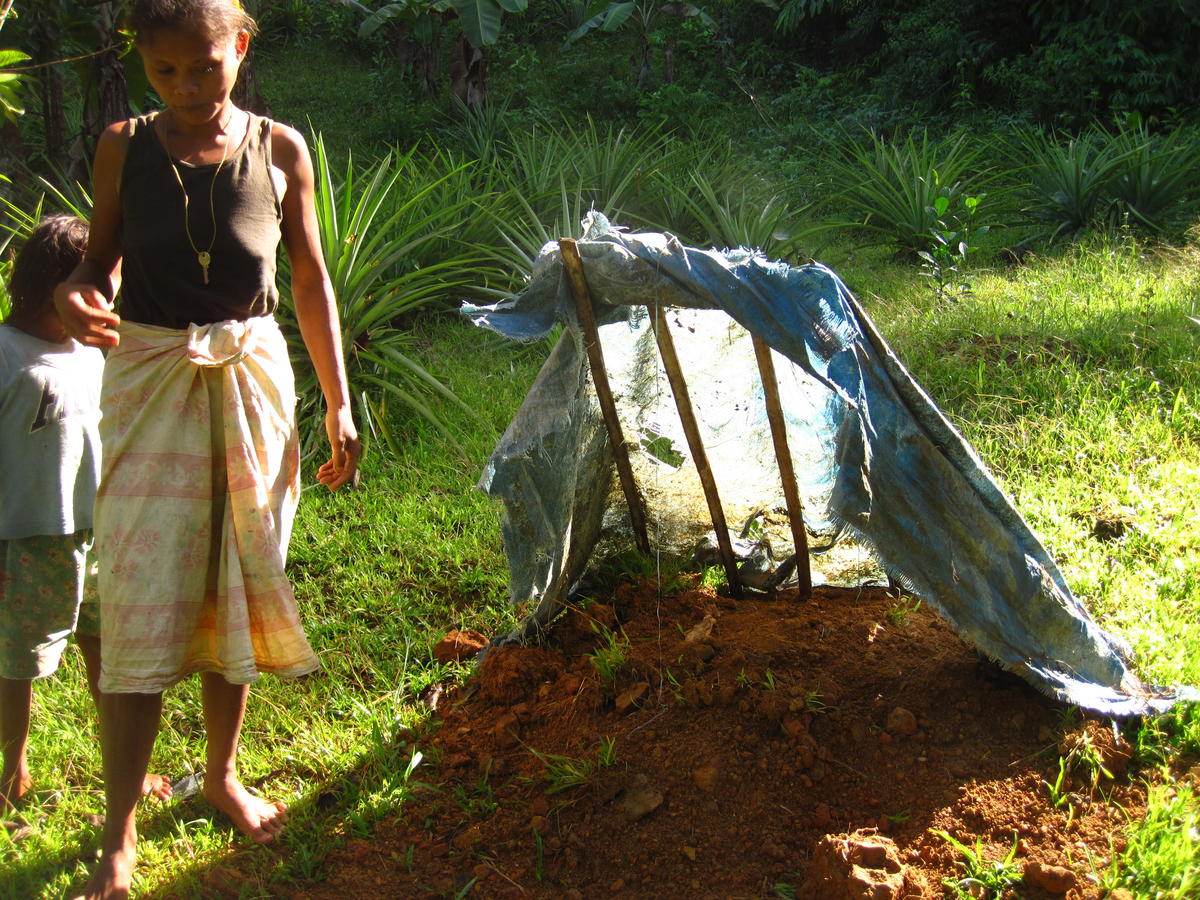
Two weeks after that, the same guy texted me with more bad news. Our dog had been found dead on the trail with a big wound to the side of her head. Nobody knows who did it. So it was a difficult week this time, going back in to pack up our house, and also to have to confront the thieves and see where they buried our dog.

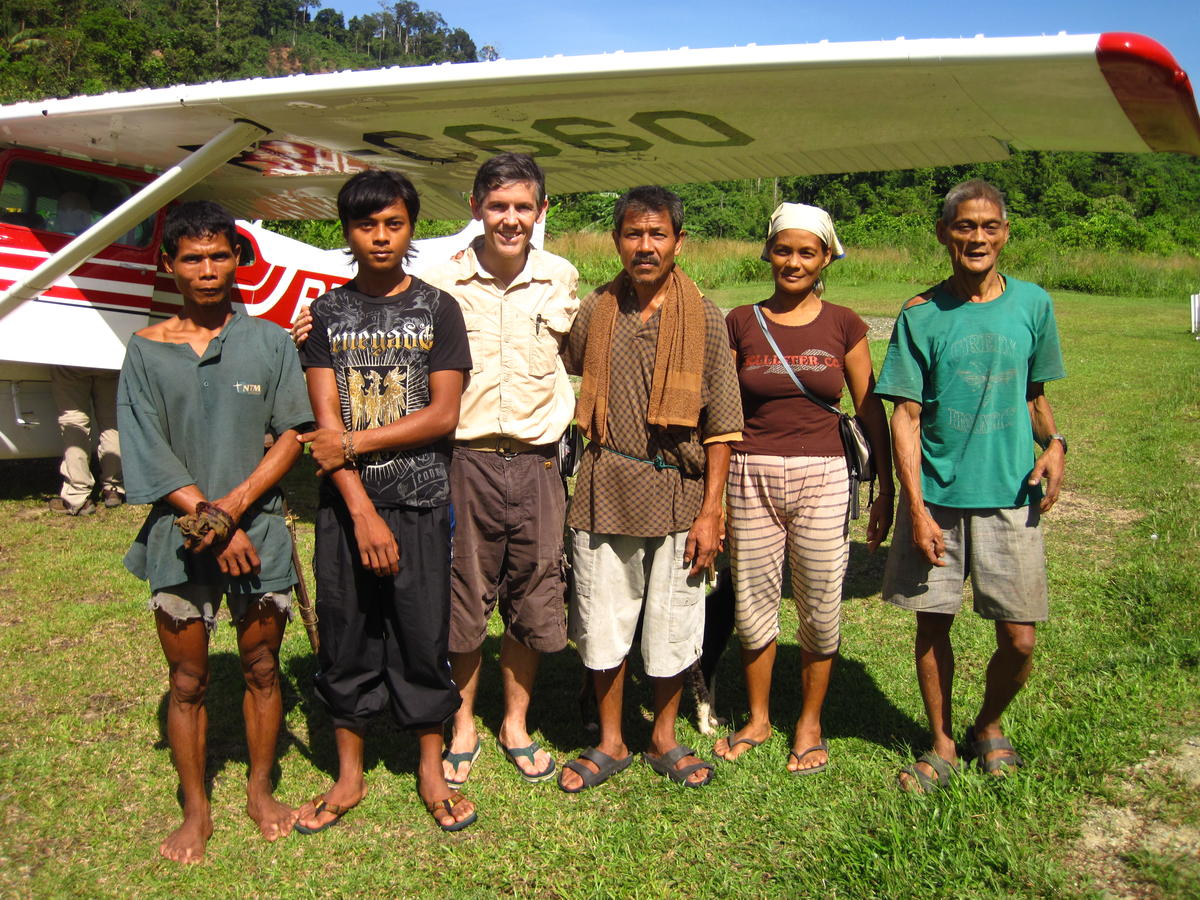
When the plane landed, the village grandmother, who we call Minan (Aunty) came up to me and gave me a big hug and was crying really hard. “I am so sad about what happened to your dog, and your house. We are all so sad. And we are so sad that you are leaving.” There were many tearful conversations like this over the whole week, and over all it was quite a difficult time for me.

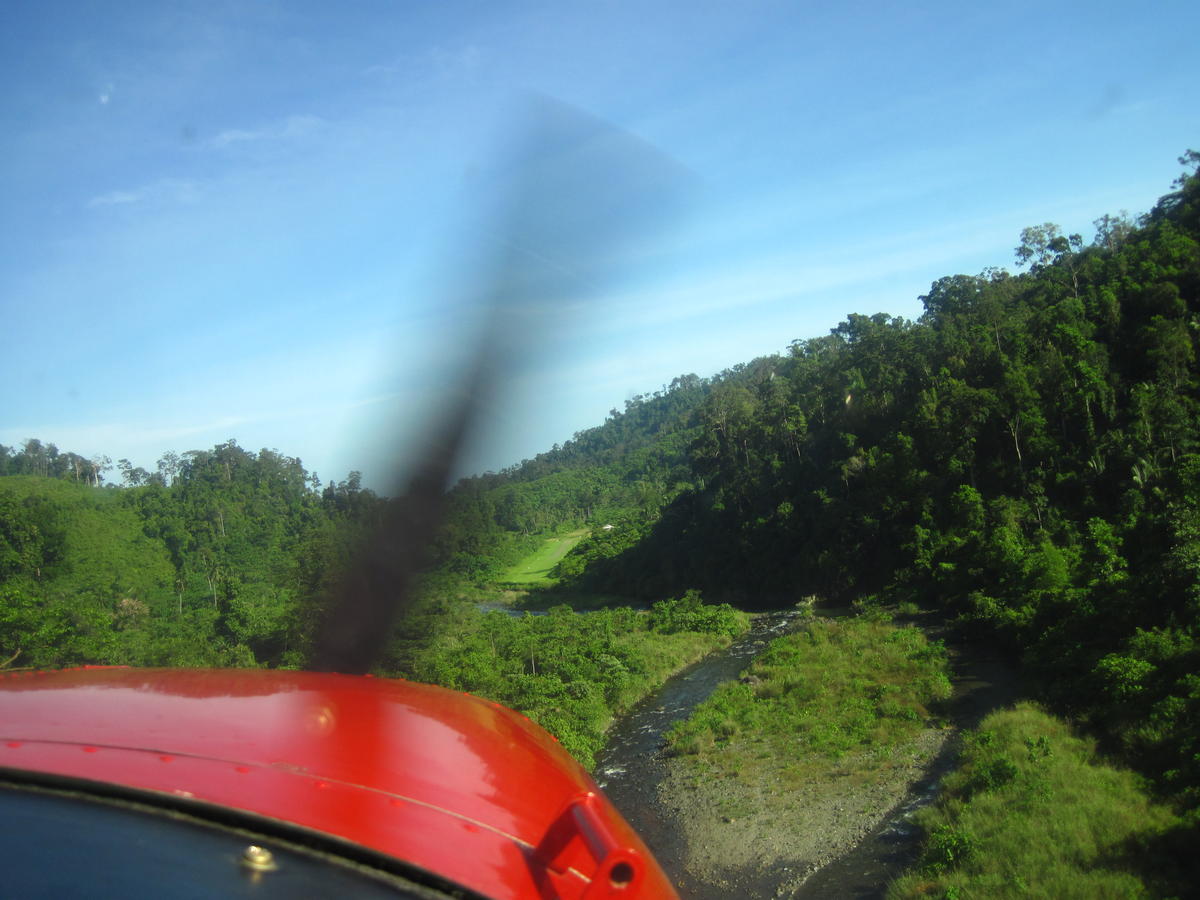
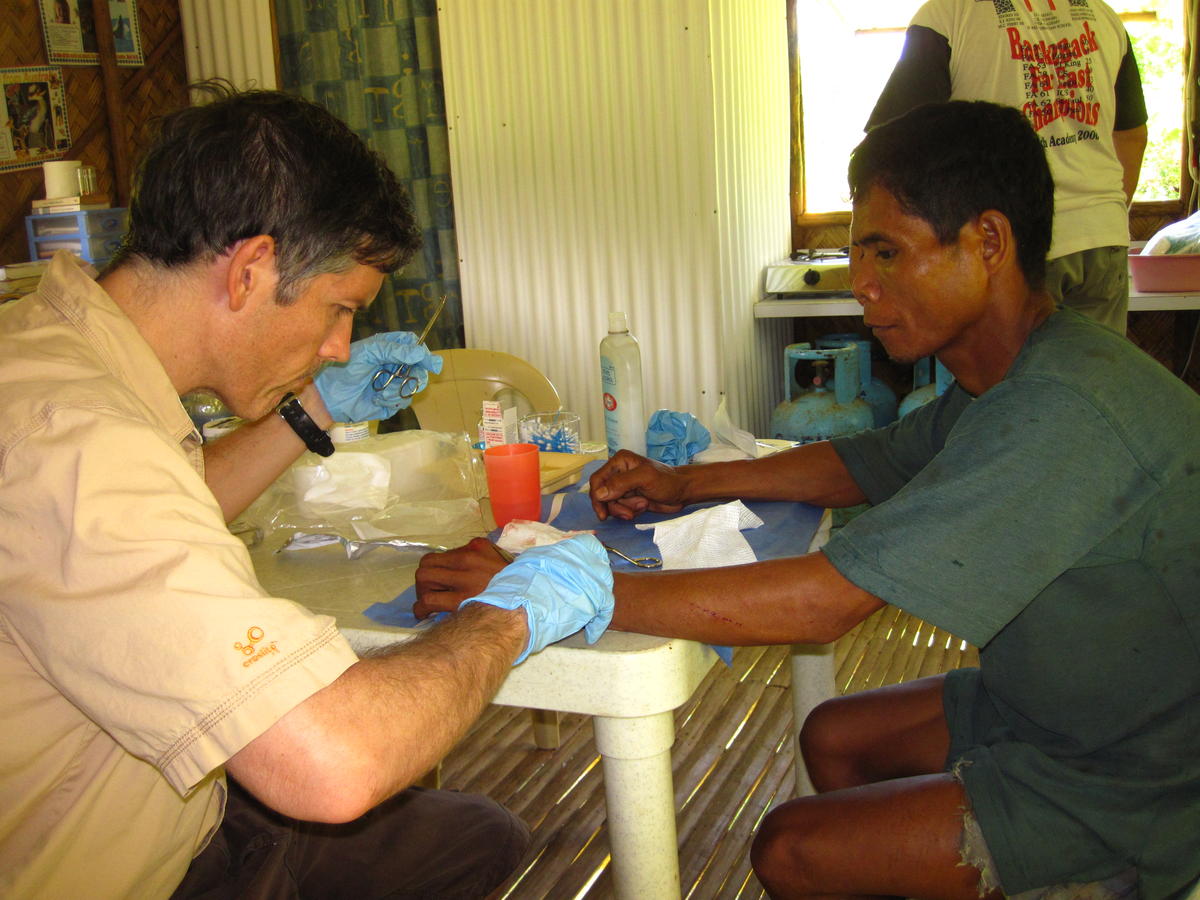
Right after talking to Minan, a guy from downriver came up with a sliced knuckle on his left forefinger. Now is the time the Palawanos are chopping a section of the jungle with their machetes in order to prepare to plant rice. He had been holding some weeds in one hand and his machete slipped, chopping the knuckle and almost completely severing the tendon. We were able to stitch the tendon back together and then also stitch the wound closed. Now his task is to keep the splint on and keep his hand from getting dirty over the next 2 weeks.

So many memories of our time with the tribal people kept coming back to me, and it felt so strange to be packing up what remained in our house (that wasn't stolen). The familiarity of the beautiful place we lived – it just didn't seem real that we were really leaving without knowing if or when we might return.

Thankfully, I had a fellow missionary come with me to help pack the house. He is our Palawan region supply buyer, and without him there I would not have been able to complete the job. It would have been too emotionally and physically draining. He did a tremendous amount of work and I was very thankful to have him alongside for the week.

The Gospel Teaching
The Gospel teaching was temporarily halted while all of us were out over Christmas break. Our partners are returning this week and will resume the Gospel teaching once they get settled. Please continue to pray for the Palawanos as this goes on, that they would come to know Christ our blessed Lord.

Discussions about the theft
The big news in the village this week, since I was there, was that everyone knew who had robbed our house. He is a guy that lives across the mountains from us. We have helped him in many ways with medicine and trade items, but he has continually responded with ingratitude and selfishness, and has also regularly stolen from many of the other Palawanos. In the Palawano culture, it is difficult to get all the Palawanos mad at you at the same time. In fact, you have to be a pretty bad guy to do that, because they are generally pretty non-aggressive people. Well in this case, Maylum has succeeded in getting practically the entire Palawano valley irritated at him, for robbing the missionary's house. Not only that, he brought his 12 year old son along to teach him how to do the job.

So the way the Palawanos reacted to this with us was to begin discussing various possible punishments. Hence the call to hang the offender upside down by his feet. “They do that on Sulu!” they said.

Here are some other statements by various people we talked to.
“We should just kill him.”
“Let's beat him real good.”
“Hey, let's bait him with more of your food! We will put poison in it and let him eat it! Then he'll die – that will teach him!”

We were sitting in a big group when someone suggested that they chop off one of his fingers, which is a real punishment practiced in the area. Several people responded, “Yes! Yes! We should do that. The people upriver from us do that, and that is why nobody up there steals anymore! We should chop off one of his fingers! Then if he steals again, we will chop off his whole hand!”

At this point, I asked the question I was most curious about. “If you decide to chop off his finger, who will be the one to chop it off?”

They all paused and there was a silence for a moment as they stared at me. Finally someone spoke up, saying to me, “Cousin, you're the one he stole from. Of course you are the one who will chop off his finger!”

Right, as if I am going to chop off anyone's finger. Of course I refused, telling them that I couldn't do that. So in the end nothing was decided yet, but that is ok, because there is going to be a big tribal council about this guy and that is where it will be decided what to do. Most likely it will be a huge fine along with a return of the items. There are other possibilities as well, like requiring some work without pay, or even possible jail time for the main offender. All of these things will eventually be decided by the tribal council and the local civil government.

Another interesting thing to note about the incident. We now have many reports from eyewitnesses of people who have our things, how they have bragged about robbing the missionary's house, and testified that Maylum was the one to lead the break-in. So there is no doubt at all that Maylum is the one. However, when we asked the village chief how they knew it was Maylum was the one who robbed our house, he gave us this story. He said they were all gathered around and they cut a length of bamboo to exactly the length of his arms out-stretched, finger-tip to finger-tip. Then they gave some kind of chant and called out to Empu (God) the names of various suspects. When they called out Maylum's name, they said the bamboo grew about 4 inches longer past the tips of his fingers.

One day Maylum's 12 year old son came to me to confess and ask forgiveness. Of course I told him I forgave him, but that his offense was very serious and that the tribal chieftain was still planning to decide on a punishment. We talked about how he felt when it was his own father influencing him to do bad, and this poor kid is in a difficult situation. We also talked about God, how we came to teach them God's Word, and how God's Word could deliver him from his desire to do bad things from time to time. He was receptive and humble, but he is still having to go back and live with his father.

In that regard, please pray for the father, the son, and the other 3 people that committed the crime. We estimated they took around $1000 worth of things, which is far more than any of them would be able to pay back in a lifetime, even if they pooled all their resources together. I did tell the son that we have no bad feelings toward him or his father, and we hope that they will come and listen to the teaching of the Gospel. However, I told him that they must know that they committed a crime and that there was going to be some punishment coming to each of them, as directed by the tribal authorities.

Over all, this incident gave a great opportunity to be able to openly share with many people once again why we came, and how important the Gospel teaching is. I believe they understood our love for them by our actions. We hope and pray that this will result ultimately in the Gospel triumphing over the lives of the people, and that they will be able to live in hope and love, free from fear and despair.

Return to work and continuing on...
So I am back now in Manila, and very glad to be back with Ginny and the kids, although I miss the tribe. We have a lot of work to do over the next few months, with my new assignment in the mission and getting Isaac prepared for graduation and going to college. By the way, please pray for that also – he has applied for a 4 year ROTC scholarship, but as of this writing we have not heard any results. He wants to go into the service after college anyway, but the scholarship would be a huge help in paying for his continuing education.

My current assignment as a language consultant and helping direct the national language program for new missionaries is very important to the work we are doing in New Tribes. There are still many, many unreached areas of the Philippines, and there are still not enough workers to bring the Gospel to all those places. When a new missionary comes to the field, it is important for them to not only do well in the national language, but to truly enjoy and become part of the Filipino culture. This will help in the long term health of our mission, will keep missionaries here for longer, and will have long term results of strengthening tribal churches. We earnestly desire your prayers for this new ministry, that it will bear much fruit and result in a harvest of souls in all the indigenous tribes of the Philippines. Pray for more missionaries to come here, and for us all to grow stronger in our walks with the Lord, strengthening each other and bringing glory to God.

As a final note, we are so thankful for all of your prayers and support for the continuing work in the Philippines! God is amazing, and we are so glad to be part of His service. We can't wait for His return!

Blessings in Christ to you all,
George for all of us
George, Ginny, Isaac, Sarah, and Abby


Like Let's hang him by his feet! on Facebook

Click here to see more of our pictures


returning to the tribe to pack up


saying good-bye to friends


stitching up a wounded man's finger


the burial site of our dog


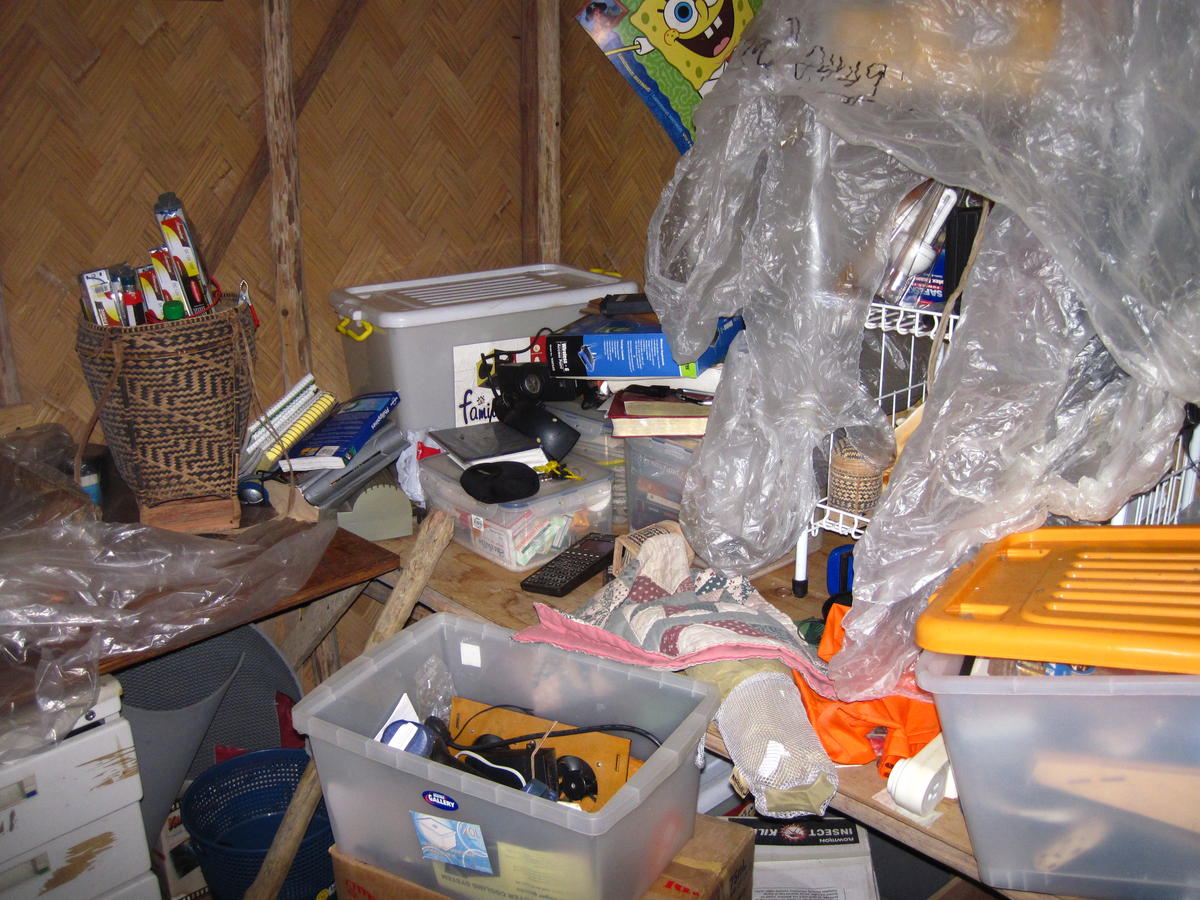
my office in the tribe after being trashed by the robbers


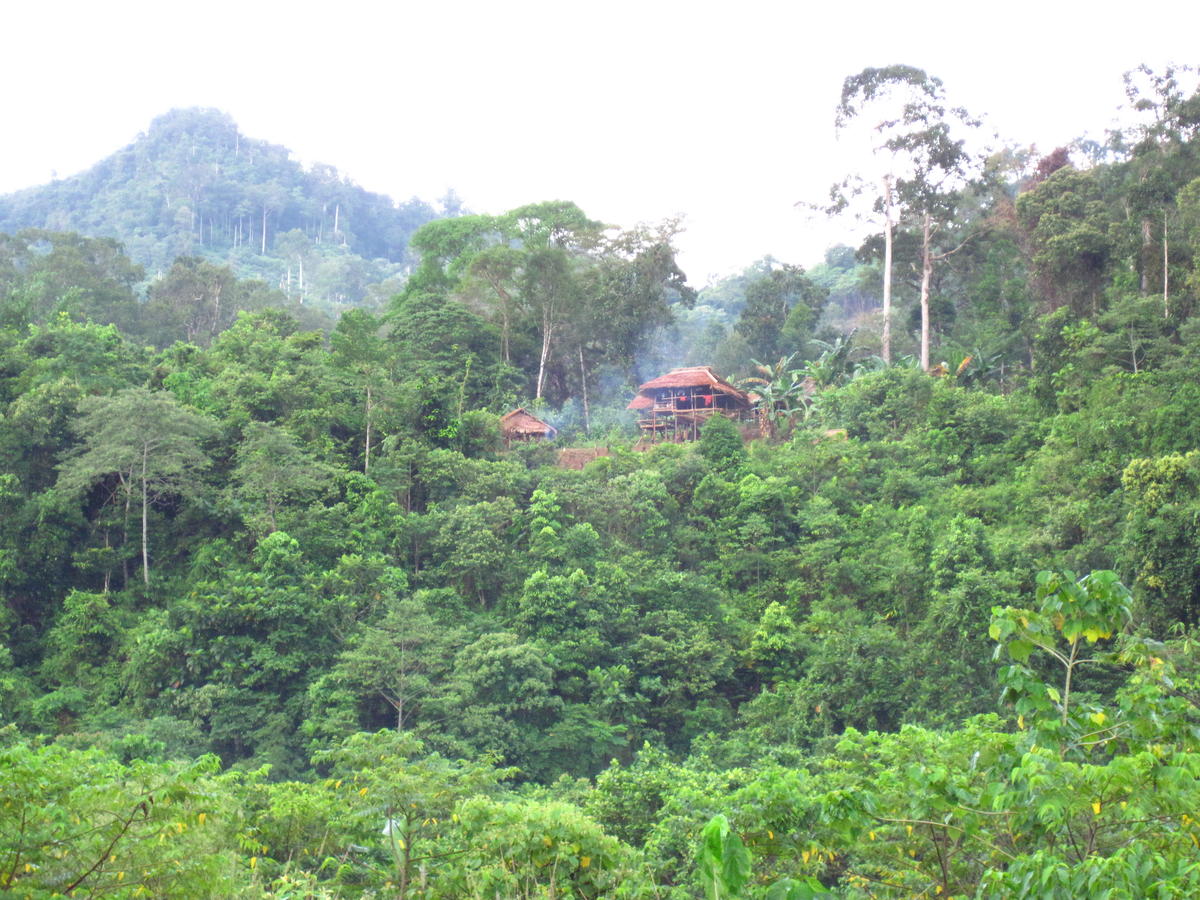
One of the new tribal houses on the hill across the river


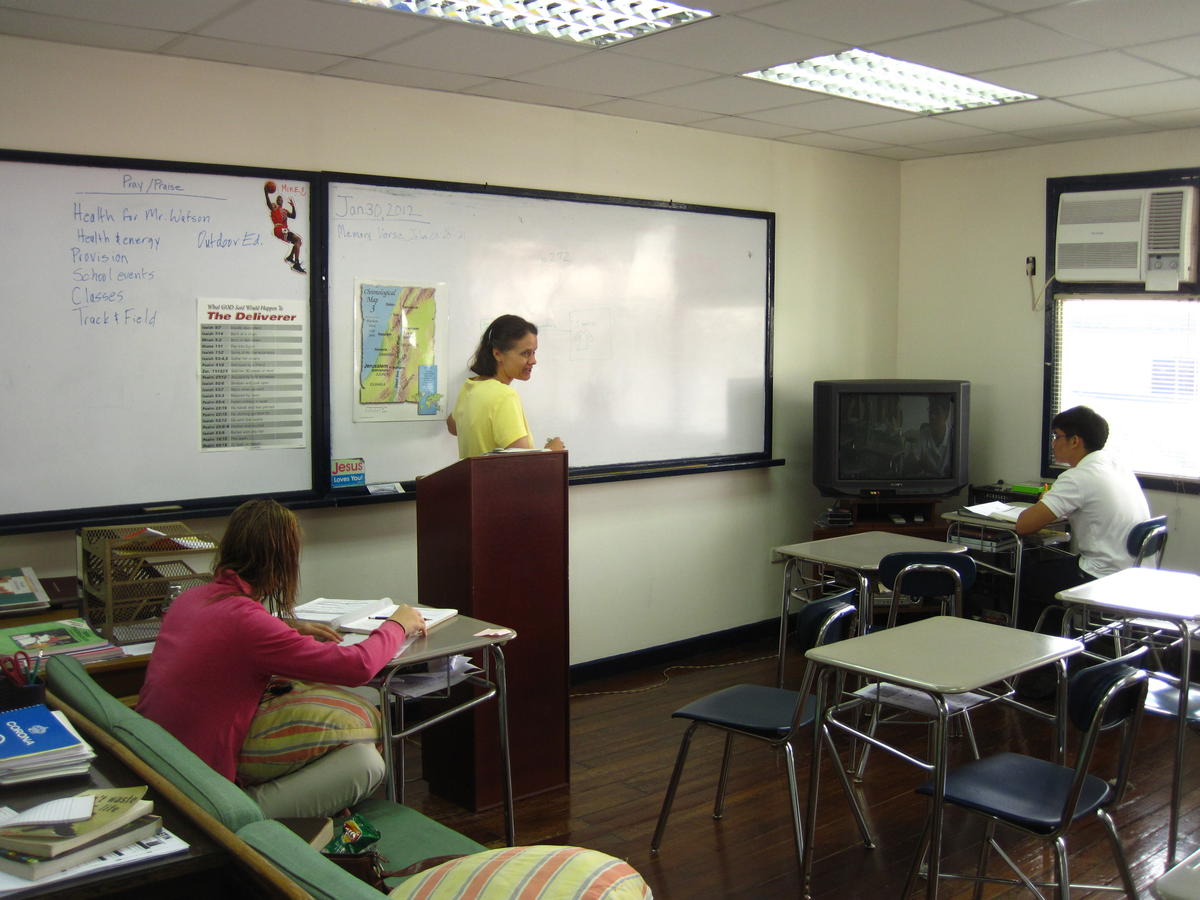
Ginny teaching at Faith Academy


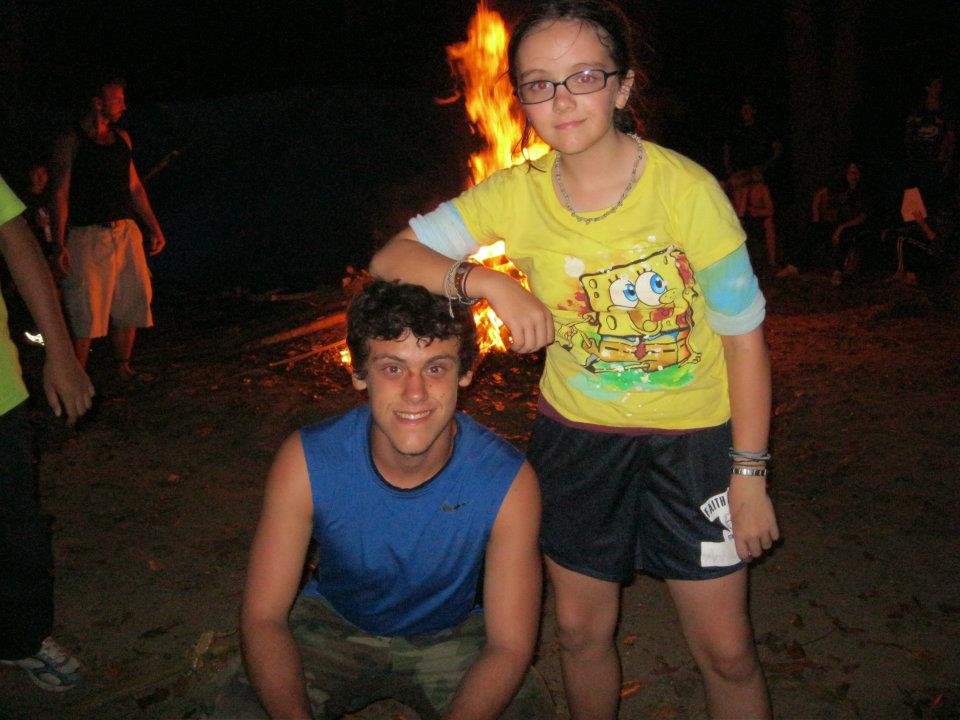
Abby and Isaac on an outdoor adventure together with the school


Abby took a picture of this tiger on top of one of the jeeps in the Zoobic Safari during her school field trip.


I thought it was funny what was placed in the "historical fiction" rack in the bookstore

Thursday, December 8, 2011

Final leg of 3 tribe tour


December 7, 2011

Pearl Harbor day. I am in the Philippines, back in Manila now. It is amazing to think about the history here – 70 years ago today was when the Japanese attacked Pearl Harbor. It was actually December 8 that they invaded the Philippines, but it was simultaneous to the attacks on Pearl Harbor due to the international date line. That is something I did not learn until we moved here.

What a whirlwind trip! I am glad to be back home with Ginny and the kids. They are not so much little kids anymore, with one going to college next year, one in high school, and one in middle school. Hard to believe. But it still is just as hard to be separated from them, and it is especially hard to be apart from Ginny.

Highlights of the last leg of our trip – We flew into Maitem ne Egis, where our friends the Epps are ministering to the Agta people. Again, it is a mixed language situation, in which many Ilocano families have moved into the area for the fishing and other business opportunities there. It is still an isolated place not connected to by any major roads, but apparently the business opportunities are good enough to make some people want to move there. Naturally the Ilocanos also plant and grow their gardens to supplement their food when they move there. However, the majority of the people there are Agta, and since they are basically an unreached people group, they are the ones to whom the missionaries are focusing their efforts in church planting.

Our purpose in being in Maitem ne Egis was to assist the missionaries in their becoming fluent in the Agta language. It is always nice to report that they are doing a great job! A missionary living in an isolated situation like this has to know how to run his own language learning program. It is like everything else that we do as missionaries living in isolated situations. We have to be our own carpenters to build and repair our houses. We have to be our own plumbers, and build and maintain our own water systems, along with building and maintaining our own sewage and septic systems. We also have to be our own power company, and build and maintain our own solar electric systems. We need power for lights at night, and to have power for a computer where all of one's language and culture data is kept.

In the same way, we have to be our own language school, and run our own language learning program. There are no classes in the Agta language – it can only be learned by someone who runs their own language course. Let us not forget culture – we don't want to speak the Agta language and not know the deeper meanings of what they are trying to say. In order to have good relationships, necessary for ministry, one must speak the language well and fully understand the culture. Quite a challenge!

The missionaries that live amongst the Agta have dedicated their lives to bringing the Gospel to this unreached people group. We enjoyed spending time with them. It is hard living out there isolated from civilization. But there is no greater joy than seeing the unreached come to know Christ, and these missionaries are fulfilling the command of our Lord. How I miss being among the Palawanos! Yet I am thankful that we are still able to serve in this way.

The Agta are a different race from the more common Malay race of Filipinos – they are more commonly referred to as one of the Negrito races – kin to the Australoid populations of New Guinea. Their black skin and “natural afro-hair texture” makes them look African in nature. However, DNA research has indicated that they are actually the most genetically distant group of people from Africans (see the Wikipedia article on Negritos here). I would be interested to know how committed evolutionists explain that one – it is evidence to me that the genetic makeup for all races originated in the first 2 humans that God created – Adam and Eve. The genetic code for having what we would call African features actually existed in all of the earliest humans, and these features have become dominant features of people in 2 different parts of the world, not just Africa, which does not seem to follow the accepted progression of thought for an evolutionist.

We had one very sad incident happen while we were there, which still pains me to repeat, but I will do so for the sake of asking for your prayers. The day before we left an Agta family came by with their 2 or 3 year old kid. He had accidentally tipped over the pot of boiling rice and it had spilled over most of his back, buttocks, and lower legs. We all gave them some first aid, but the poor child was too damaged and he died during the night. If he had been able to live through the night, we might have been able to take him out by helicopter the next day, but it was not possible. Please pray for this family that lost their dear son in a sudden tragic accident.

The area of Maitem ne Egis, like so many other areas in the Philippines, is a mixed language area now. In the past you would have only found Agta people there, but today there are Agta, Ilocano, probably some Itawis and Ibanag, as well as Tagalog speakers, being the trade language. Like other locations in the Philippines, the missionaries must have a very broad base of vocabulary in order to minister to the needs of multi-lingual people.

For example, take the word blood. In English we basically have just that one word, although old English might have used the word humour in a generic sense. In Tagalog and Palawano, they use the word dugo for blood. In Ilocano, the word is dawa. In Cebuano, the on-line dictionary lists dugo and gawi, along with several other options that in some way might have some referred meaning relating to blood. In order to communicate the truth of the Gospel to as many people as possible in a mixed language group, one would need to know how to say blood in more than just one language.

There are very few places left in the Philippines where there almost purely monolingual. The place where we ministered among the Palawano was unusual in that regard. Because we were up in the mountains, the people there still maintain a somewhat pure Palawano language. This is in contrast to most Palawano areas that are near roads – they are often able to speak Tagalog. It is still better to minister to them in their heart language of Palawano, but to go into an area like that, the missionary would really need to know both.

Up among the Agta, the trade language is actually Ilocano, not Tagalog. However, most people know enough Tagalog from having gone to school for some time, and so when a new person moves in from another area that doesn't know Ilocano, they communicate in Tagalog. Also when government officials come into the area to promote health programs or such, they communicate also in Tagalog. So Tagalog is widely used and understood (though it would not be effective to minister in up in that area).

This is an interesting aspect of life here in the Philippines. In the past, if you traveled all over the Philippines, people that lived in an area where Tagalog was not the trade language did not speak Tagalog. Many of the missionaries in the past that went to tribal areas in Northern Luzon communicated in English to tribal people, because that was what they learned in school. Not so today – now the trade language is Tagalog. People still want to learn English and try and learn to speak it, but Tagalog is now much more prevalent. That is also why the official name of the language is Filipino, and it is considered only to be based on Tagalog.

By the way, when you say Tagalog, it is pronounced like this: tah-GAH-log. Most English speakers will say TAG-a-log when they first read that word, but that is incorrect.

Enough for now. I hope to put this in an email update by the time my birthday rolls around. Don't know if I can get there that quickly, though.

Ok, here are the pictures. More to come on another post. Click on any picture below to enlarge.

getting the chopper ready for the next flight

heading towards the mountains away from civilization

a washed out bridge along the way

river coming down from the mountains

break through past the jungle to the coastal area

black sand beach with missionary house prominent

the isolated coast

chopper on the ground, people waiting for us

inside the missionaries' home

view from the back porch

rainy weather most of the time we were there

home looking up from the garden
people coming by to get help with their tools as kids look on


houses in the Agta village

reviewing some CLA principles on the computer

unload and reload the helicopter while the engine is still running

storms the last couple of days made the seawater muddy

on the way out, a waterfall coming down the mountains from the rain
2 of the missionaries' tribal language helpers.

A bat cave we flew by on the way in.

Agta kids playing

One of the Agta villages.

Agta kids in a native Agta house.

A beautiful waterfall that we flew by on our way out.
The 2 on the left and me on the right make up our consultant team. The other 2 are the missionaries in the area.

Friday, December 2, 2011

The Language Barrier - the Ga-dang (and peanut coffee)


12/1/2011
It was time for role-play. This was our communication task. Having arrived the day before by helicopter, now we had 2 Ga-dang native speakers, both of whom were also pretty good in Tagalog (at least enough to communicate what we wanted to do). At first we had the missionary pretend he was visiting one of the Ga-dang men in his home, and then properly excuse himself to go home and help his wife. The idea is that we are looking to see how well the missionary speaks and acts according to the customs of the native people he is working with. They played the role just fine. (click on any picture below to enlarge)

Checking communication tasks with native speakers

Life among the Ga-dang - pounding rice

Arrival by helicopter


Then, for comparison, we had one of the Ga-dang men pretend that he was married and visiting in the other man's house. He also was supposed to excuse himself and go home to his wife. The roles were understood. The 2 men thought it was really funny that they were “actors” (artista). We set up the scene, and the young man said, “Ok, I have to go home now to my wife.” Instead of the proper Ga-dang response, the older man forgot he was doing a role play, looked at him and said, “What? I didn't know you were married!” Of course, then the younger man broke down laughing!

Time for take 2! Artista we are not. :)

Maybe it would be good here to write up a description of how we do a language and culture check. First of all, we are moving into places where the language barrier is a significant barrier to people understanding the Gospel. There in the Ga-dang village where I was this morning, I went outside the house we were staying in and walked up to talk to a neighbor. In this “tribal” area, the people are not really tribal like the Palawanos were, but are more just like Filipino farmers who have a different language. At least, that is what one might think when one first goes in.

However, even after a few minutes of conversing with my neighbor in Tagalog, which he speaks pretty well from having gone to school, it was pretty clear that there was a lot he would not get in Tagalog. Use of Tagalog is increasing in the population for sure, especially because of television shows that are broadcast nation-wide, but for the most part explaining the deep truths of God's Word clearly is still going to have to be accomplished in the local language in the Ga-dang area.

The only person available now to take God's Word to the Ga-dang are these missionaries. This can be a sensitive issue. Us missionaries have sometimes made the mistake that it will always be necessary for foreign missionaries to take the Gospel to these remote places. That is changing rapidly – there are increasing numbers of Filipino Christians who have a vision to take the Gospel back into the remote towns and villages and finish getting the message to all these areas. But that is all for another discussion. The point of this discussion is how a cross-cultural missionary is able to move into a new area, learn the language and culture, preach the Gospel so that it is clearly understood, and establish a church.

Why language and culture? Why not just language? It is because culture and language are inseparable. Here is a simple illustration. Three tribal bible teachers are going to hike to a neighboring village to teach the Gospel there. The new missionary wants to accompany the tribal men, so he goes along. However he wants the tribal men to walk in front of him, so that he will not feel that he is imposing upon them. When they arrive in the village, the village people are cold with them and do not receive the teaching, and really are not interested in listening at all. Why? Because in this tribal culture, the order in which outsiders approach a village is of supreme importance. By not having the white missionary in front as a person of perceived higher status, the bible teachers communicated to the new village that they did not respect people of higher status. They were thought of as people that do not show respect, and therefore their message had no credibility.

That is culture. Culture and language are inseparable. When a tribal woman in a certain tribe sitting on her porch says “come in and visit” it is different from saying “come up and visit”. One is a proposition of an illicit affair, the other is a polite way of acknowledging a visitor. The missionary would want to respond appropriately. There are so many things in a culture that are intertwined with the language. Our job as Culture and Language Consultants is to help the new missionaries in tribal areas to learn to recognize these things. Also, since there are no language schools in these areas in order to teach the new missionary how to speak and act in a given area, he or she has to figure it out for himself. Our job is to help coach them through setting up their own learning program so that they can get to the point where they can teach the Gospel clearly.

Of course, there are always going to be mistakes that are made, especially at the beginning stages. However, the missionary who has been somewhere for several years and still has not learned that “come in” means “let's sleep together” and “come up” means “let's visit” will not be very effective in preaching the Gospel. He will not have good relationships with the people he is trying to reach if he doesn't understand the little nuances of the culture. The people make great allowances for mistakes when he first moves in. After several years, a missionary is expected to know these things. If he learns them quickly, within the first couple of years, then he establishes a pattern of excellence and respect among the people, which will make his message more credible.

It was a good visit to the Ga-dang village. They gave us peanut coffee (roast peanuts pounded and then mixed into hot water), and I liked it better than real coffee! No caffeine rush, which is preferable to me. Also we locked the keys to the missionary house inside the house once! I had to ask one of the men to borrow a stick to mash open the window - they were a bit concerned about that! They gave me an axe, and we got in. Ha! So now I have broken into someone's house with an axe! Well, at least it was supervised.

We have now finished with the 2nd tribal visit, and one more to go. The weather is not cooperating right now, and we are waiting for it to clear so that we can fly in by helicopter and assist the missionaries in another tribal area.

tying the generator to a water buffalo cart for transport

the Ga-dang village from the air

pointing out the area we will fly through

some houses still have thatch roofs, though most do not

village kids

tasting peanut coffee (no coffee grounds were available, so fried peanuts were mashed and made into coffee instead)

a village house on the left with its corresponding rice house on the right